Who is Eden Waters?
Advantages of RO

The RO Process
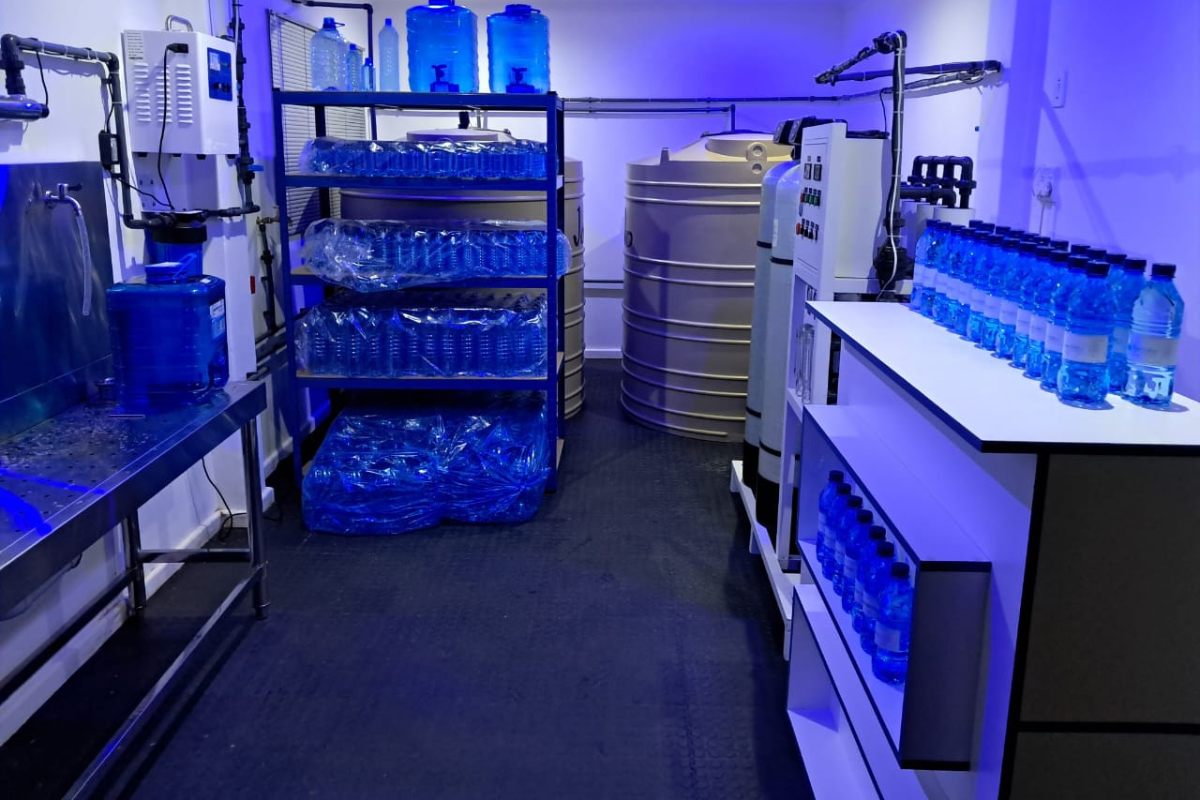
Pre-treatment: Before entering the RO system, the feed water typically undergoes pre-treatment to remove large particles, sediment, and chlorine that could damage or foul the membrane. Pre-treatment may involve filtration, sedimentation, or chemical treatment.
Pressurization: The pre-treated water is then pressurized using a pump to overcome the natural osmotic pressure and force it through the semipermeable membrane. This pressure is necessary to push water molecules through the membrane while leaving behind contaminants.
Separation: As the pressurized water flows through the membrane, the semipermeable material selectively allows water molecules to pass through while blocking the passage of dissolved salts, minerals, contaminants, and other impurities. These rejected impurities are typically flushed away as waste water, known as brine or concentrate.
Product Water Collection: The purified water, also called permeate, passes through the membrane and is collected for use. This product water is significantly cleaner and free from most contaminants present in the feed water.
Waste Water Disposal: The concentrated brine or waste water containing the rejected contaminants is diverted away from the membrane and discharged either into a drain, recycled for other purposes, or further treated depending on local regulations and environmental considerations.
Monitoring and Control: Throughout the RO process, various parameters such as pressure, flow rate, and water quality are monitored and controlled to ensure optimal performance and efficiency of the system.